
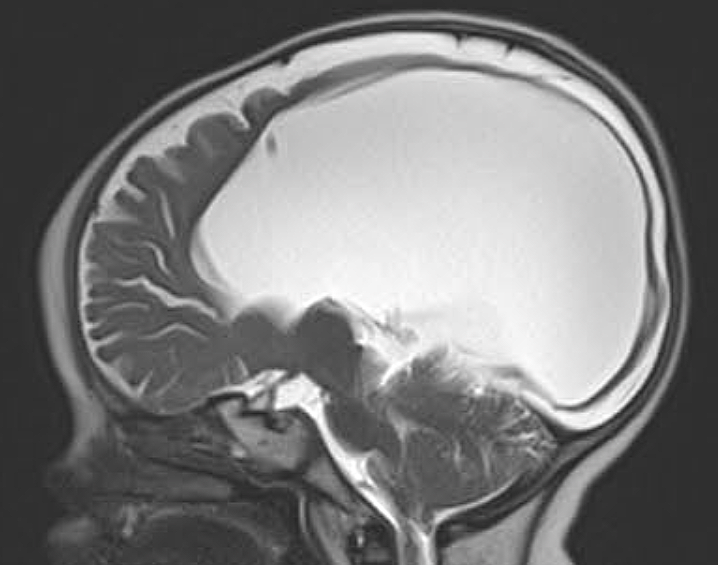
Hydrocephalus
Hydrocephalus is characterized by the abnormal accumulation of cerebrospinal fluid (CSF) within the cerebral ventricles, leading to increased intracranial pressure and, if untreated, significant neurological damage. Despite its clinical prevalence, the molecular underpinnings of hydrocephalus — particularly its relationship to ependymal cell dysfunction and impaired CSF flow driven by motile cilia — remain incompletely understood. Using Xenopus as our primary model organism, our research exploits the accessibility of the developing frog brain to elucidate how genetic and developmental defects in ependymal cilia contribute to CSF flow dysregulation and hydrocephalus. The ability to rapidly generate loss- and gain-of-function models in Xenopus allows us to bridge the gap between gene discovery and disease mechanism, with the broader aim of identifying novel targets and therapeutic strategies for patients affected by congenital hydrocephalus.